


Best Credit Cards for Beginners with Bad Credit in the United States.
Building credit can feel challenging for many beginners, especially for those who are starting with a low credit score.
However, understanding how credit works — and learning which types of cards are more accessible — can help you take your first steps toward responsible financial habits.
In this guide, you will find clear, informative, and evergreen insights designed to help beginners understand their options without offering or recommending any specific financial product.
What a Credit Score Is and Why It Matters?
A credit score represents your history of borrowing and repayment. Because it summarizes how reliably you manage credit, it often influences the types of credit products you may qualify for. However, even if your score is low, there are still ways to build positive credit behavior gradually.
Furthermore, many beginners are surprised to learn that scores can improve faster than expected when consistent habits are applied. For this reason, understanding basic factors — such as payment history, credit utilization, and account age — is the first essential step.
Can You Get a Credit Card with Bad Credit?
Although approval depends on individual financial institutions, many people with low credit scores begin their journey through card types designed for rebuilding credit.
Because of this, secured cards, starter cards, and other entry-level options exist to help users practice responsible spending while sending positive signals to credit bureaus.
Additionally, beginners often benefit from starting small. As a result, even a modest limit can be enough to demonstrate consistent on-time payments and low balances.
Best Types of Credit Cards for Beginners
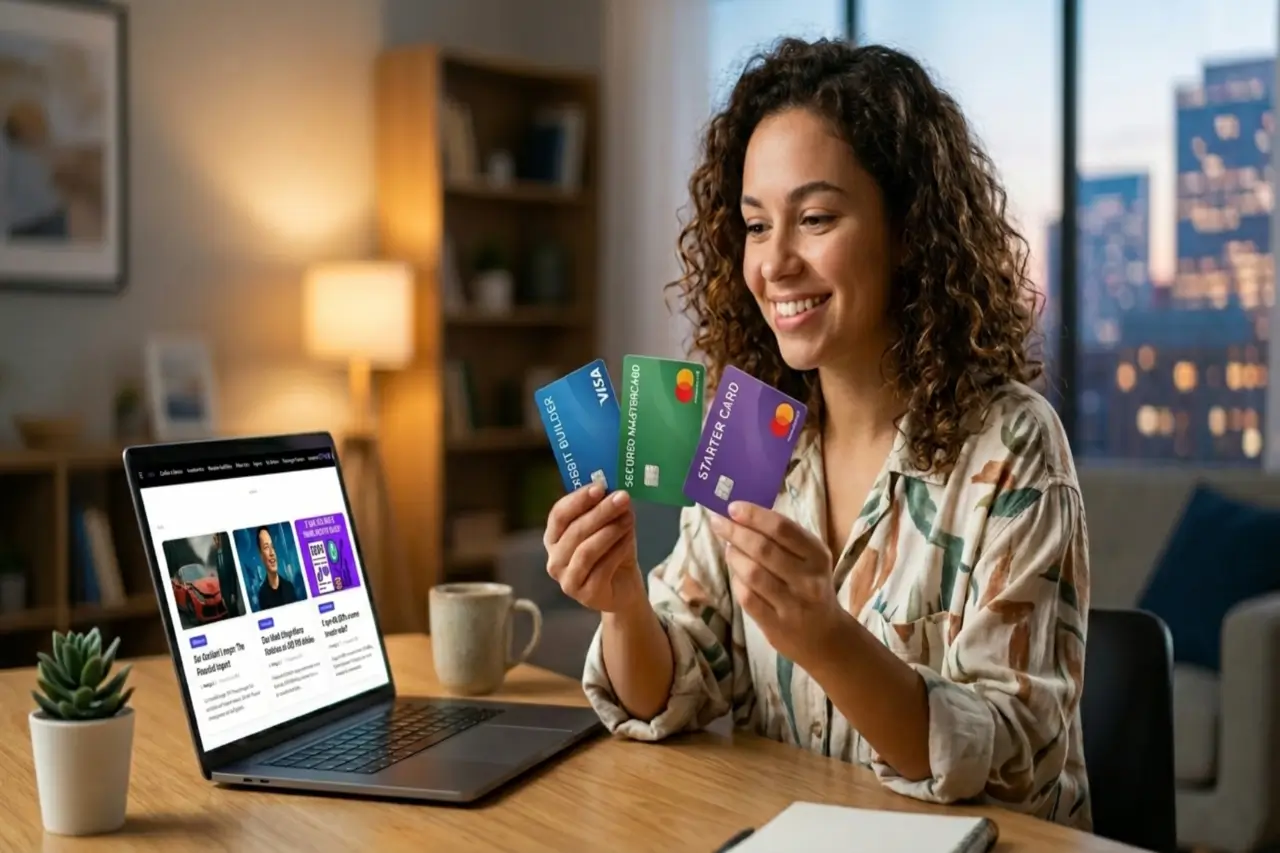
Different types of cards serve different purposes. Each one has advantages depending on your goals and current credit profile. For example, these categories are commonly used by beginners:
1. Secured Credit Cards
A secured credit card requires an upfront security deposit. Therefore, it is often more accessible for people with limited or low credit history. The deposit typically acts as collateral, helping financial institutions feel confident about extending credit.
2. Student Credit Cards
Student cards are designed for young adults who are building credit for the first time. Because of this, qualification criteria may be more flexible compared to standard cards.
3. Starter Unsecured Cards
Some institutions offer beginner-friendly unsecured cards with low limits. As a result, these cards can help new users practice credit management without needing a deposit.
Secured vs. Unsecured Credit Cards: What You Should Know
Understanding the difference between secured and unsecured cards is essential.
Secured Cards
A secured card uses a deposit as collateral. Consequently, this deposit reduces risk for institutions and increases the likelihood that beginners may qualify.
Unsecured Cards
Unsecured cards do not require a deposit. However, they often require a stronger credit profile. For this reason, beginners with low credit may find them harder to obtain.
Which Is Better for You?
Both types can be useful tools for credit building. Ultimately, the right choice depends on your goals, your current credit score, and how comfortable you are with an initial deposit.
How to Increase Your Chances of Approval?
While no approval is guaranteed, certain habits can strengthen your profile. For instance, keeping your credit utilization low and paying bills on time show responsible behavior.
In addition, checking your credit report regularly helps you identify errors that may be hurting your score. Because of that, early correction can make a meaningful difference.
Furthermore, starting with a small credit limit and using it responsibly can slowly build trust. As a result, your score can improve over time, opening more opportunities.
Common Mistakes Beginners Should Avoid
Avoiding key mistakes is just as important as using credit wisely.
1. Missing Payments
Payment history is one of the most important credit factors. Therefore, paying on time — even the minimum — is essential.
2. Using Too Much of Your Limit
High balances may harm your credit score. For this reason, keeping your utilization low (usually under 30%) can help.
3. Applying for Too Many Cards at Once
Each application can trigger a hard inquiry. Consequently, too many inquiries can temporarily lower your score.
4. Closing Old Accounts Too Soon
Old accounts help your credit age. Because of this, keeping accounts open can improve your long-term profile.
How to Build Credit Faster as a Beginner
Building credit requires consistency and patience. Even so, a few strategies may help you progress steadily:
Use your card for small recurring purchases, such as low monthly bills. This way, you avoid overspending.
Pay your balance before the due date whenever possible. As a result, you reduce interest and show positive behavior.
Keep your credit utilization low. Moreover, this helps maintain your score in a healthier range.
Monitor your credit report annually. That said, checking it can help you stay aware of your progress.
Final Tips for Long-Term Credit Growth
Credit growth is a long-term process. In other words, it requires discipline and consistent good habits.
As you build your credit responsibly, more opportunities naturally open over time.
Therefore, it is important to see credit not as a quick solution, but as a tool that rewards steady and thoughtful use.
Additionally, understanding your financial goals helps guide your decisions. Ultimately, your approach to credit should be tailored to the lifestyle you want to build.
Conclusion – Best Credit Cards for Beginners With Bad Credit in the United States
Beginning your credit journey with a low score may feel overwhelming at first.
Nevertheless, with clear information, responsible habits, and a gradual approach, you can work toward stronger financial health over time.
This guide has provided an overview of how beginners can understand different card types, avoid common pitfalls, and build a foundation for responsible credit use.
